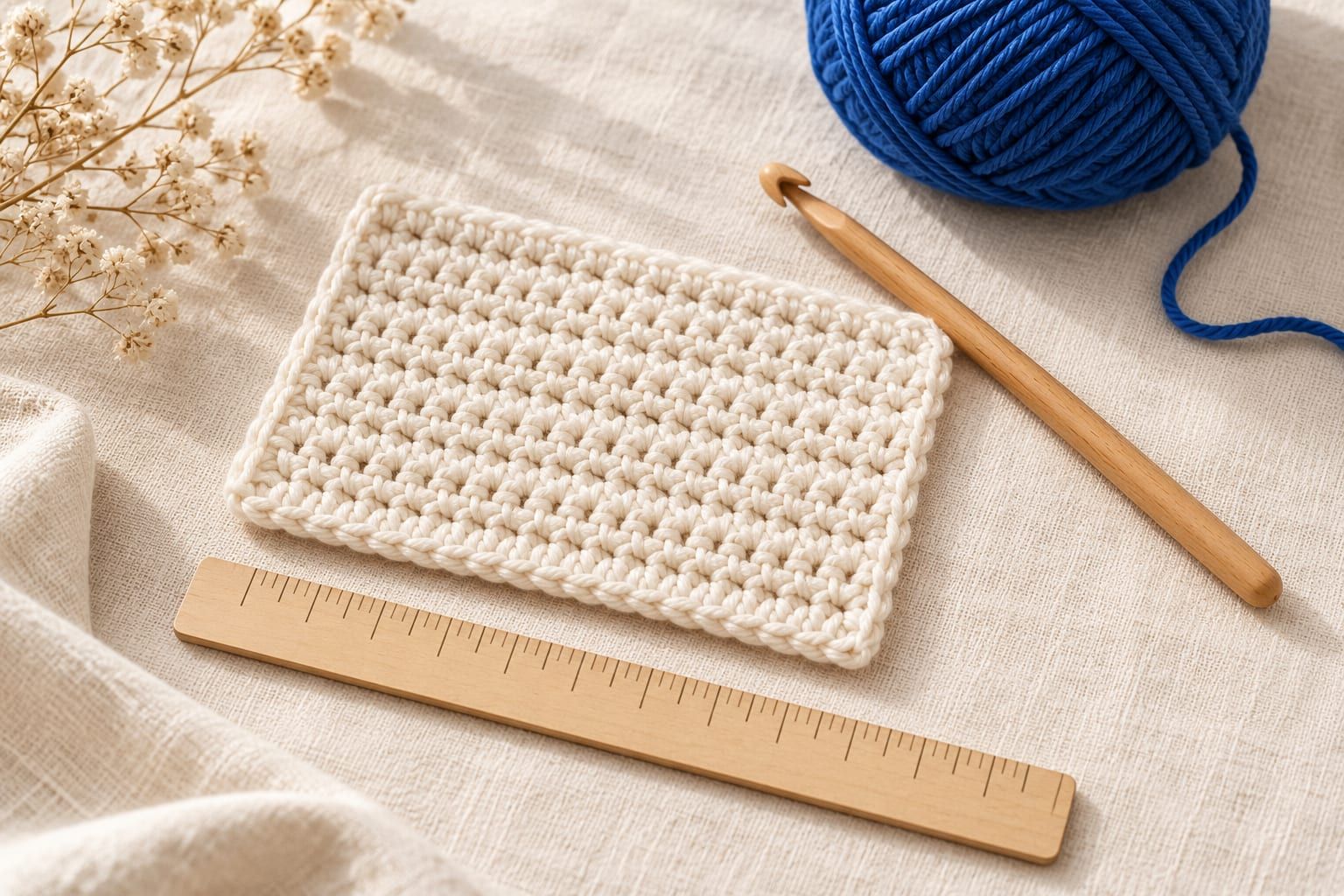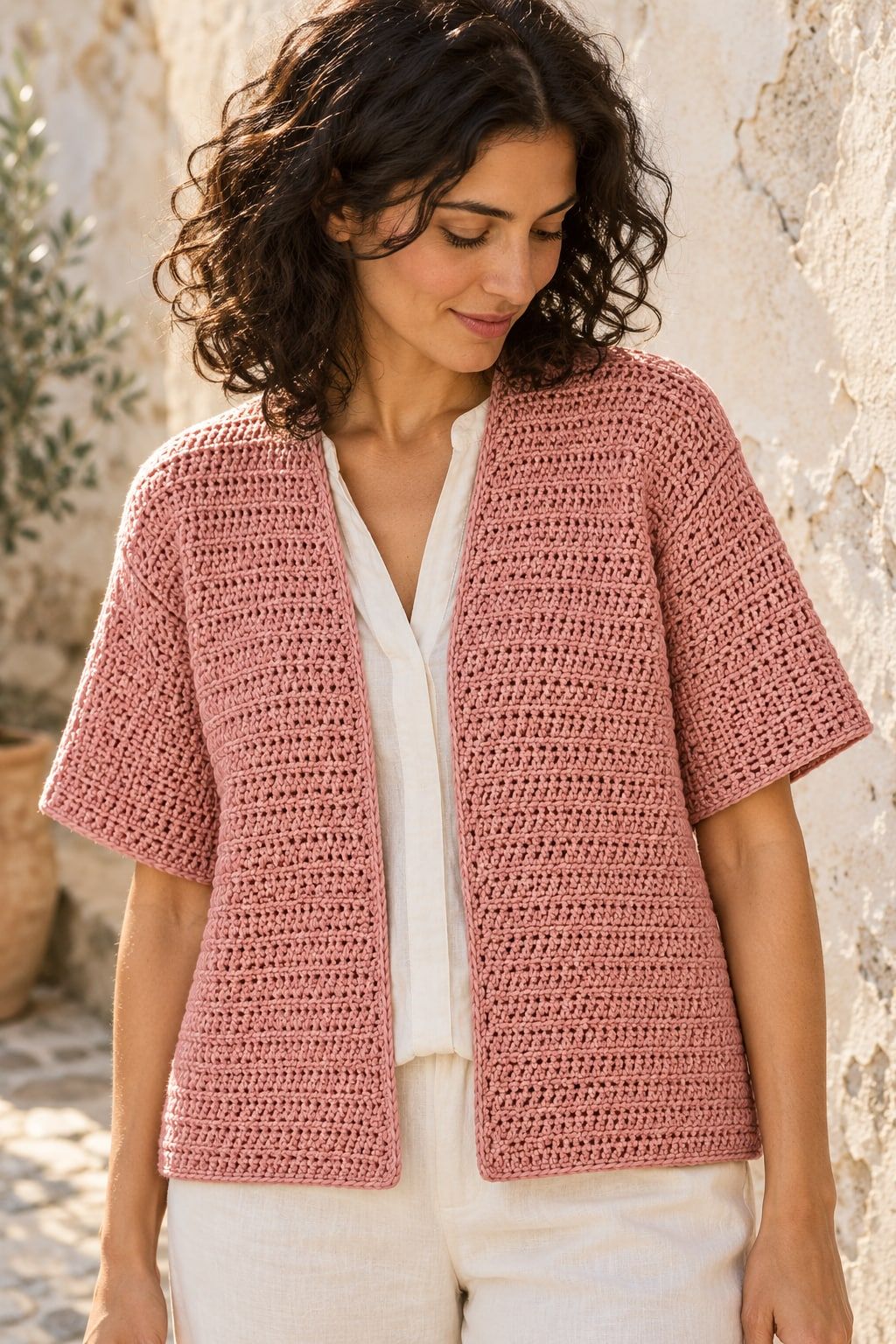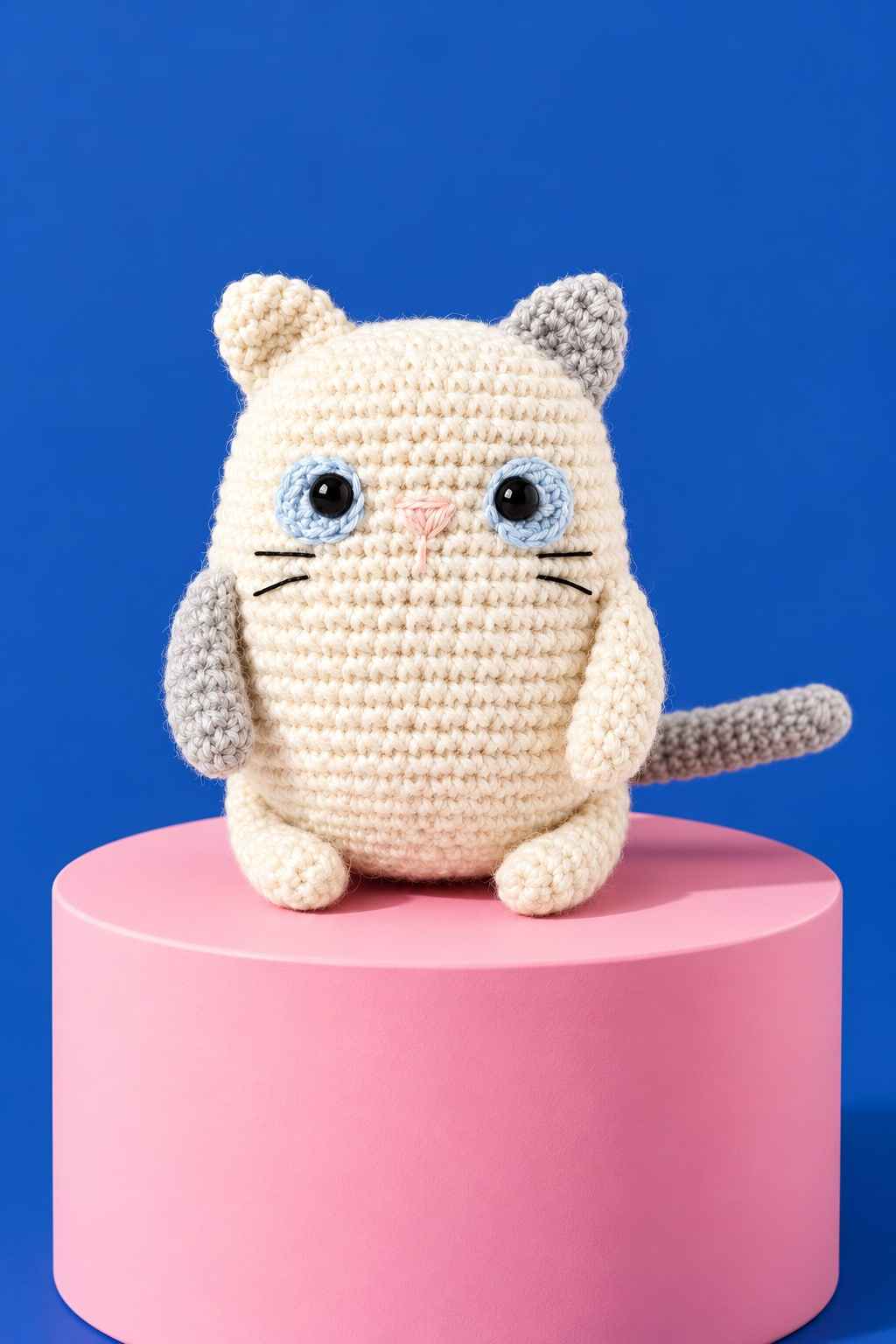
The best first project is one you can understand before you begin. A small animal can look simple and still ask you to work in tight rounds, shape several pieces and sew them together. A larger rectangle can be easier to follow because the same row repeats. Look at the instructions as well as the finished picture.
Choose one new skill at a time
Read the materials, abbreviations and construction notes before choosing a pattern. Make a quick list of what you already know and what you would need to learn. A manageable project might ask you to learn one new stitch or one new finishing method. Learning several unfamiliar techniques in the same tiny piece can make it harder to see what went wrong.
If chains and basic stitches are still new, begin with a practice swatch from our stitch guide. You can concentrate on finding the next stitch and keeping the sides even before thinking about shaping or sewing.
Explore Crochet Stitches Simplified
Pick yarn that lets you see your stitches
For practice, smooth yarn in a light or medium solid colour makes the stitch structure easier to see. Very dark yarn, fluffy textures and strong colour changes can hide the loops you are trying to find. Once you choose a pattern, follow its recommended yarn and hook guidance rather than choosing materials from the picture alone.
A larger hook is not automatically easier, and a yarn weight name does not tell you everything about the fabric. Fibre, thickness and your tension all affect the result. Keep the yarn label until your project is finished so you can check the fibre, care instructions and dye lot.
Small does not always mean simple
Our Baby Bat and Little Crochet Cat are marked intermediate. Both involve small parts and assembly, so they are better treated as a next step once you are comfortable with shaping and working in rounds. The Rose Cardigan is marked easy, but it is a longer project where gauge and size matter.
Choose according to the skills required and the amount of work you want to take on. The skill label is a starting point; the actual instructions are the better guide to whether a project suits you today.
Check before you commit
- Can you read the abbreviations and identify the stitches used?
- Do you have the listed yarn, hook and finishing supplies?
- Do you understand whether the project uses rows, rounds or separate pieces?
- If fit matters, have you read the measurements and gauge notes?
- Does the project fit the time and attention you want to give it?
Aim to finish a small practice piece with an even stitch count. You can change colour and make a more ambitious project after you know what your stitches feel like.
Keep your next step close
Save or print the pattern and mark the place where you stop. Count at the end of each row or round while the work is easy to check. If a count is wrong, finding the missed stitch now is usually simpler than trying to correct several rows later.